A Practical Guide to Geyser Repair: Steps to Get Your Hot Water Flowing Again
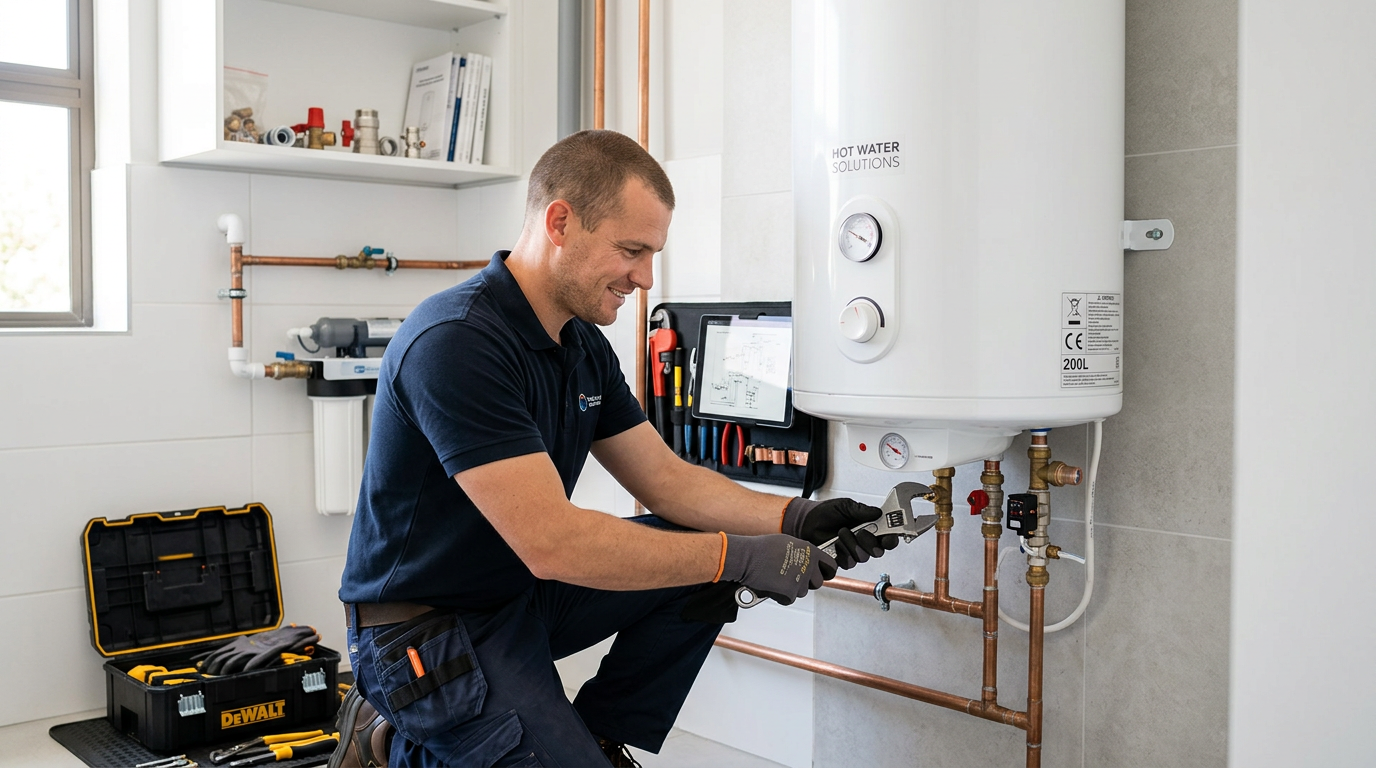
A Practical Guide to Geyser Repair: Steps to Get Your Hot Water Flowing Again

Understanding Geyser Operation

Geysers, or water heaters, are essential for providing hot water in our homes. However, they can encounter issues that require geyser repair. Knowing how they operate helps identify potential problems when they arise.

If you need this service, you can reach out via geyser repair.

Common Geyser Issues

Many homeowners face common geyser problems, such as:
  • No Hot Water: Often due to a faulty thermostat or heating element.
  • Leaking: This could be caused by corroded pipes or valves.
  • Strange Noises: Banging or popping sounds might indicate sediment buildup.
  • Unusual Odors: A smelly or discolored water supply can signal a bigger issue.
  • Recognizing these symptoms early can save you both time and money. If you notice any of these signs, it’s time for a geyser repair.

    Step-by-Step Geyser Repair Guide

    Here's a practical guide to help you tackle minor geyser issues yourself before calling in a professional.

    1. Safety First

    Ensure your safety by turning off the power supply or gas valve leading to the geyser. This prevents any electrical hazards or gas leaks during the repair process.

    2. Inspect the Geyser

    Carefully examine the geyser for any visible issues:
  • Check for leaks around the base and pipes.
  • Look for any rust or corrosion, particularly on metal components.
  • Listen for unusual noises while it's running.
  • 3. Addressing No Hot Water

    If your geyser isn't producing hot water:
  • Thermostat Setting: Check if the thermostat is set too low. The ideal temperature is around 140°F (60°C).
  • Heating Element: If the thermostat is fine, you may need to test the heating element using a multimeter. If it’s faulty, you’ll need to replace it.
  • 4. Fixing Leaks

    For leaks, you can try these steps:
  • Tighten loose connections and fittings, using a wrench if needed.
  • If the leak persists, locate the source. Replace any damaged pipes or valves to stop the leak effectively.
  • 5. Clearing Sediment Build-Up

    If you hear noises from your geyser:
  • Turn off the unit and allow it to cool.
  • Drain the water from the tank according to the manufacturer’s instructions.
  • Flush the tank with clean water to remove sediment that may have accumulated.
  • 6. Calling in Professionals

    If the problem persists after you’ve tried the above fixes, it’s best to call a professional geyser repair service. They can handle more complex issues safely and efficiently. For reliable service, consider scheduling a repair with Mannubhai's geyser repair.

    Preventative Maintenance Tips

    To avoid future repairs:
  • Perform regular checks and maintenance on your geyser.
  • Flush the tank at least once a year to remove sediment buildup.
  • Test the pressure relief valve periodically to ensure it’s functioning.
  • Follow the manufacturer’s guidelines for maintenance and operation.
  • Conclusion

    Understanding basic geyser repairs not only helps you resolve issues more efficiently but also enables you to maintain your unit better. Remember, while simple repairs can be tackled at home, don’t hesitate to contact professionals for more complicated problems. With the right care, your geyser can serve you for many years without significant issues.

    For more information or to schedule a repair, visit Mannubhai geyser repair service.


    Related Posts

  • Mannubhai Official: Your Trusted Partner for Microwave Oven Repairs
  • A Simple Guide to Choosing the Right Electrician for Your Home
  • Essential Guide to Pest Control Repair Services
  • How to Prevent Washing Machine Breakdowns During Summer
  • Comments

    Popular posts from this blog

    Trusted RO Service & Water Purifier Support in Agra

    RO Service Near Me – Get Expert RO Repair by Mannu Bhai Service Experts

    RO Service in Patna - Trusted Water Purifier Service by MannuBhai Service Expert