Know More: Your Comprehensive Guide to Washing Machine Understanding and Care
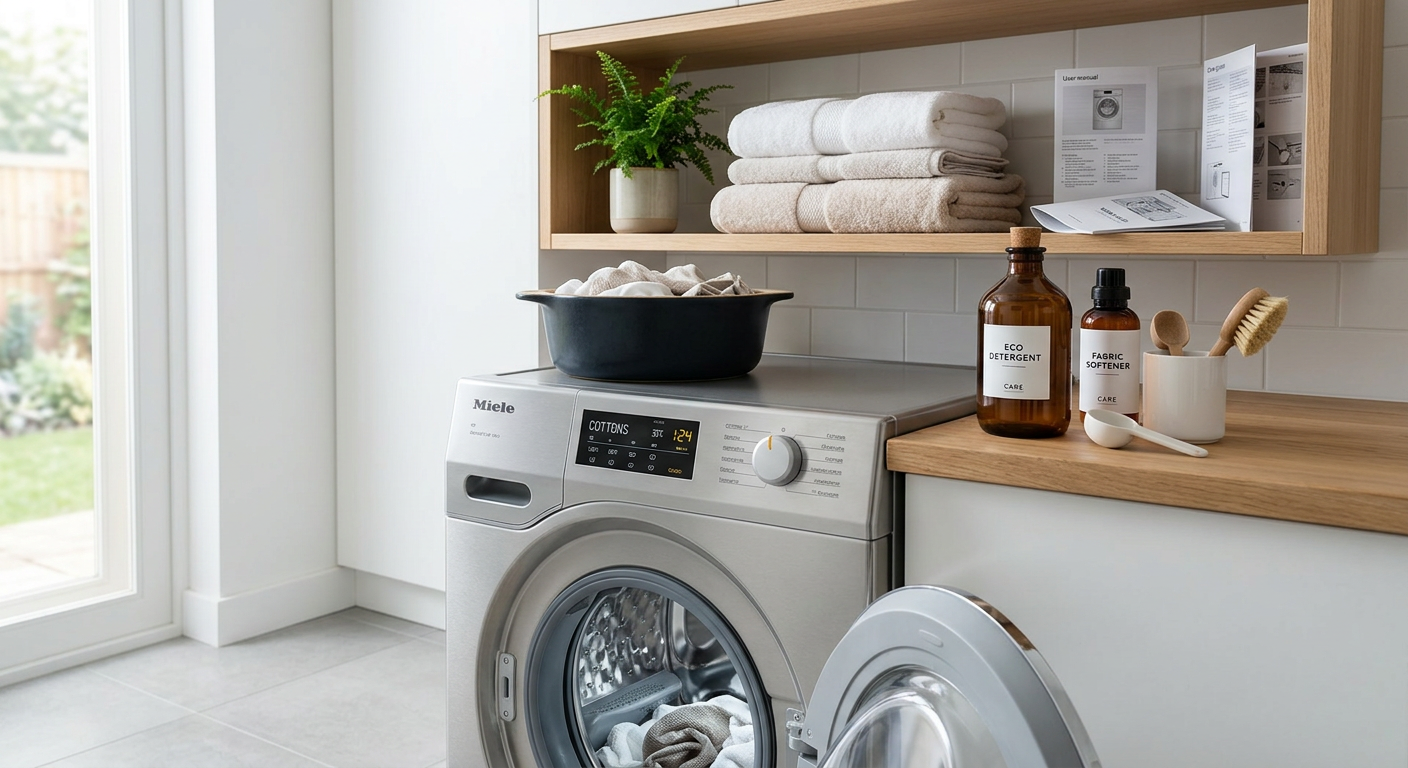
To truly know more about your washing machine is to unlock years of reliable service, cleaner clothes, and potential savings on repairs and energy bills. This essential guide aims to equip everyday homeowners with practical knowledge and insights into their laundry workhorse. When issues arise, remember that professional help is always available to know more about diagnostics and repair from experts. Understanding your appliance better means you can spot problems early, perform basic maintenance effectively, and use it efficiently. Let's dive into some of the most common questions people have about their washing machines.
Frequently Asked Questions About Your Washing Machine
Q1: What are the most common signs my washing machine needs professional attention?
Recognizing the early warning signs can save you from a complete breakdown and costly repairs down the line. To know more about these indicators is crucial for timely intervention. Look out for unusual noises such as grinding, squealing, or loud thumping during cycles, which could signal issues with the motor, bearings, or drum. If your machine isn't draining properly, leaving clothes soaking wet, or if water is pooling under the machine, there's likely a pump or hose problem. Clothes coming out still dirty, sudsy, or damaged are also red flags, indicating potential agitator malfunctions, dispenser blockages, or an unbalanced drum. Furthermore, error codes displayed on digital models are direct calls for help, often pointing to specific internal faults that require a technician's expertise. Don't ignore these signals; addressing them promptly ensures your machine's longevity and efficient operation.
Q2: How can I extend the lifespan of my washing machine?
Extending the lifespan of your washing machine isn't just about avoiding repairs; it's about getting the most value from your investment. To know more about proactive care can significantly impact how long your appliance serves you. First, always load your machine properly, avoiding both overloading and underloading. Overloading stresses the motor and drum, while underloading can cause an imbalance and excessive vibration. Use the correct type and amount of detergent for your machine – high-efficiency (HE) detergents for HE machines are vital to prevent oversudsing and residue buildup. Regularly clean the detergent dispenser drawer and rubber gasket around the door (for front-loaders) to prevent mold and mildew growth. Ensure your machine is level; an unbalanced machine vibrates excessively, damaging internal components over time. Finally, run a monthly cleaning cycle with a washing machine cleaner or vinegar to flush out mineral deposits and soap scum. Simple habits like these go a long way.
Q3: Why does my washing machine smell bad, and how can I fix it?
A smelly washing machine is a common and unpleasant problem, often indicating a buildup of mold, mildew, or bacteria. To know more about the root causes helps in effectively tackling the issue. The primary culprit is often the damp, dark environment inside the drum, particularly in front-loading machines where water can collect in the door gasket. Residual detergent, fabric softener, and lint also contribute to this buildup, providing a breeding ground for odor-causing microbes. To fix it, start by thoroughly cleaning the rubber gasket around the door with a mixture of vinegar and water, paying close attention to any folds or crevices. Run an empty hot water cycle with two cups of white vinegar poured into the detergent dispenser, followed by another empty hot cycle with half a cup of baking soda. For persistent smells, consider using a specialized washing machine cleaner. After each wash, leave the door ajar to allow the interior to air dry, preventing moisture buildup. Also, ensure you're using the correct amount of detergent; too much can leave residue that feeds mold.
Q4: What do different washing machine cycles mean, and when should I use them?
Understanding your washing machine's cycles allows you to wash clothes more effectively, protecting fabrics and saving energy. To know more about each setting means you're no longer guessing. The 'Normal' or 'Cottons' cycle is ideal for everyday items, offering a robust wash for durable fabrics with moderate soil. 'Delicates' or 'Hand Wash' uses a gentle agitation, slower spin, and cooler water to protect fragile items like lingerie, silk, or wool. The 'Heavy Duty' cycle is for heavily soiled, sturdy garments such as work clothes or towels, typically involving hotter water and longer, more aggressive agitation. 'Permanent Press' is designed for synthetic fabrics that wrinkle easily, using warm water and a cool rinse to reduce creasing. 'Quick Wash' is for lightly soiled items you need clean fast, utilizing shorter wash times and often less water. Finally, 'Bulky Items' or 'Bedding' cycles are tailored for large, absorbent items, ensuring they get thoroughly saturated and rinsed. Matching the cycle to your load is key to optimal results and fabric care.
Q5: My washing machine is making strange noises – what could be the cause?
Strange noises from your washing machine are often a cry for help. To know more about what specific sounds indicate can help you diagnose and potentially resolve minor issues or know when to call a professional. A loud banging or thumping sound, especially during the spin cycle, usually points to an unbalanced load. Try redistributing the items in the drum evenly. If the noise persists, it could be worn-out shock absorbers or suspension springs. A high-pitched squealing or grinding noise might indicate a worn motor bearing or a faulty pump. If you hear coins or small objects rattling during the wash, check the drum for anything that might have fallen out of pockets. A buzzing sound that doesn't lead to a spin might mean the motor is struggling or there's an obstruction. If the noises are persistent, severe, or accompanied by other issues like leaks or lack of spinning, it's best to consult a repair technician. Attempting repairs without proper knowledge can cause further damage.
Q6: How often should I clean my washing machine, and what's the best way?
Regular cleaning is paramount for maintaining hygiene, efficiency, and extending the life of your washing machine. To know more about a consistent cleaning regimen is more effective than waiting for issues to arise. A general rule of thumb is to perform a deep clean every month, especially if you use your machine frequently or notice odors. For front-loaders, pay special attention to the door gasket, wiping it down after every few washes and performing a deep clean monthly. For both top- and front-loaders, utilize the self-clean cycle if your machine has one. Otherwise, run an empty hot water cycle with either white vinegar (2 cups) or a specialized washing machine cleaner. If using vinegar, follow up with another empty hot cycle using baking soda (½ cup) to neutralize odors and absorb residues. Don't forget to clean the detergent dispenser drawer, wiping away any accumulated gunk. Regularly wipe down the exterior of the machine as well to keep it looking fresh.
Q7: What energy-saving tips should I know about my washing machine?
Saving energy with your washing machine not only benefits the environment but also reduces your utility bills. To know more about smart usage habits can lead to significant long-term savings. The biggest energy consumer in a washing machine is heating the water, so washing with cold water whenever possible is a powerful first step. Modern detergents are highly effective in cold water, making this an easy switch for most loads. Always wash full loads; running half-empty cycles uses almost as much water and energy as a full one, making it inefficient. If you have an energy-efficient (HE) machine, ensure you're using HE detergent as instructed; it produces fewer suds and requires less water. Utilize your machine's 'eco' or 'energy-saving' modes if available, as these are designed to optimize water and energy consumption. Finally, consider the spin cycle; a higher spin speed extracts more water, reducing drying time and thus saving energy on your dryer.
Get More from Your Machine by Knowing More
We hope this FAQ has helped you know more about your washing machine, transforming it from a mysterious appliance into a familiar and well-understood household tool. By understanding its functions, recognizing common issues, and implementing regular maintenance, you're not just doing laundry; you're actively preserving your investment and ensuring clean clothes for years to come. Remember, for those times when a deeper dive or professional intervention is needed, expert help is readily available to get your machine back in top shape.


Comments
Post a Comment