Your Essential Guide to Tank Cleaning Services: FAQs
Your Essential Guide to Tank Cleaning Services: FAQs
Keeping your water or fuel tanks clean is crucial for health and efficiency. In this FAQ, we answer some of the most common questions about tank cleaning services.
1. Why is tank cleaning necessary?
Tank cleaning is essential for several reasons. Over time, tanks can accumulate debris, sediment, and even harmful bacteria. This buildup can lead to contamination, affecting the quality and safety of the water or fuel you store. Regular cleaning ensures that your tank remains free from impurities and operates efficiently, ultimately extending its lifespan.2. How often should I have my tank cleaned?
The frequency of tank cleaning depends on various factors, such as the type of tank, what it's used for, and local environmental conditions. For residential water tanks, it’s typically recommended to clean them every 1 to 3 years. However, if you notice odors, discoloration, or any unusual taste in your water, it’s best to schedule a cleaning sooner. For fuel tanks, inspect them regularly and clean as necessary, particularly if you store fuel for extended periods.3. What does the tank cleaning process involve?
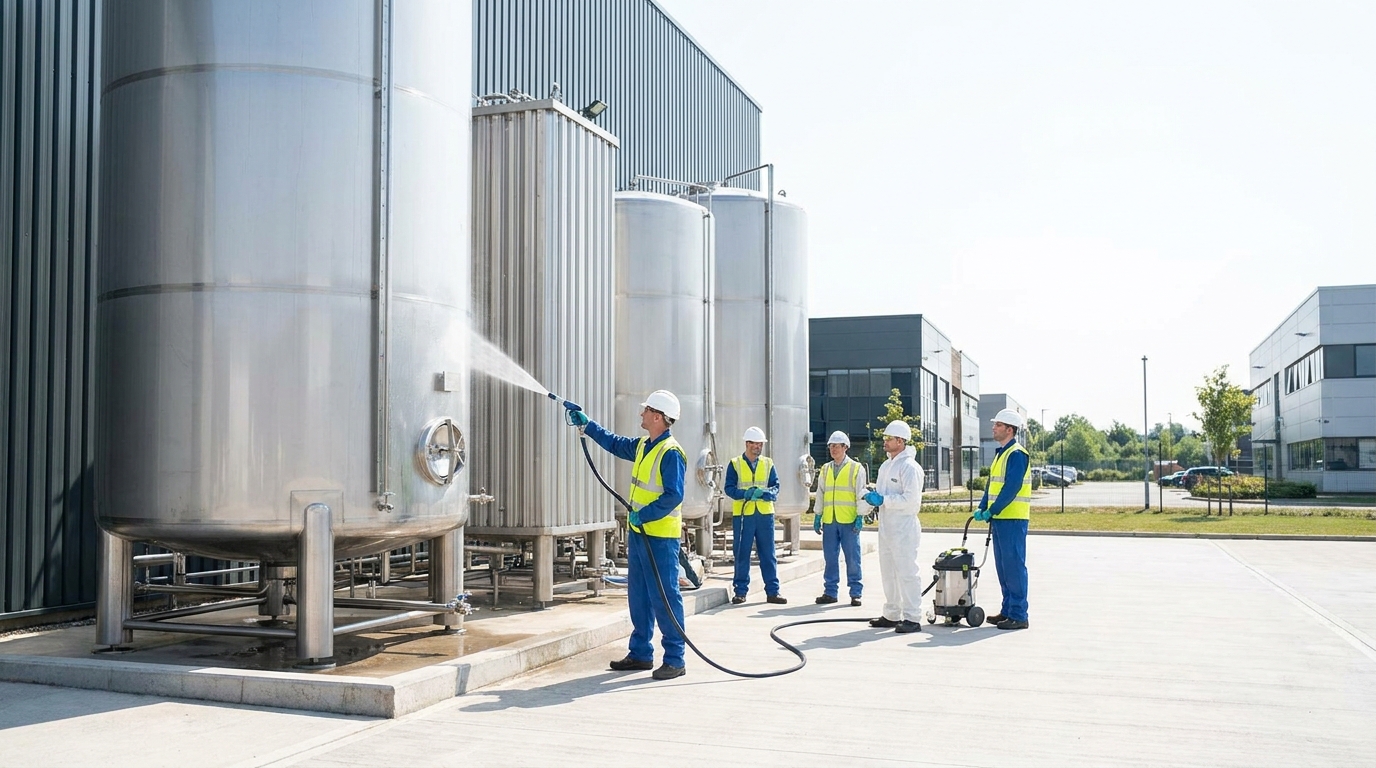
The tank cleaning process generally involves several steps. First, professionals will assess the tank's condition. Next, they will drain it completely and remove any buildup or sediment. High-pressure washing and specialized cleaning agents are often used to ensure thorough cleanliness. Finally, the tank is inspected for any damage, and repairs can be made if necessary. If you're interested in learning more about Tank Cleaning repair, it's important to consult with your service provider.4. Are there any health risks associated with dirty tanks?
Yes, dirty tanks can pose significant health risks. When water or fuel becomes contaminated, it can lead to various illnesses if ingested. Bacteria, parasites, and toxic substances can thrive in unclean tanks, resulting in serious health concerns for you and your family. Thus, maintaining clean tanks is not just a matter of efficiency, but a critical health precaution.5. Can I clean my tank myself, or should I hire a professional?
While some might consider DIY tank cleaning, it's generally best to hire a professional service. Tank cleaning involves specific safety protocols and equipment that most homeowners do not have access to. Furthermore, professionals are trained to handle the cleaning process effectively and can identify potential issues that might require repair. This not only ensures your safety but also guarantees a thorough job.6. What can I expect to pay for tank cleaning services?
The cost of tank cleaning services can vary widely based on several factors, including the size of the tank, its location, and the level of contamination. On average, you might pay anywhere from $100 to $500. However, it's wise to get quotes from multiple service providers and ask about any additional costs that might arise during the cleaning process.7. What should I do to prepare for a tank cleaning?
Preparing for tank cleaning is relatively simple. First, ensure the area around the tank is easily accessible for technicians. If your tank is outside, remove any obstructions like furniture or plants. You should also notify your service provider about any noticeable issues before they arrive and ensure that pets and children are kept at a safe distance during the cleaning process.Regular tank cleaning is an investment in your health and the efficiency of your system. By understanding these aspects of tank cleaning services, you can make informed decisions that will benefit you in the long run. Always consult with a professional service provider to ensure you receive the best care for your tanks.


Comments
Post a Comment