How Much for Geyser Gas Filling in Vadodara?
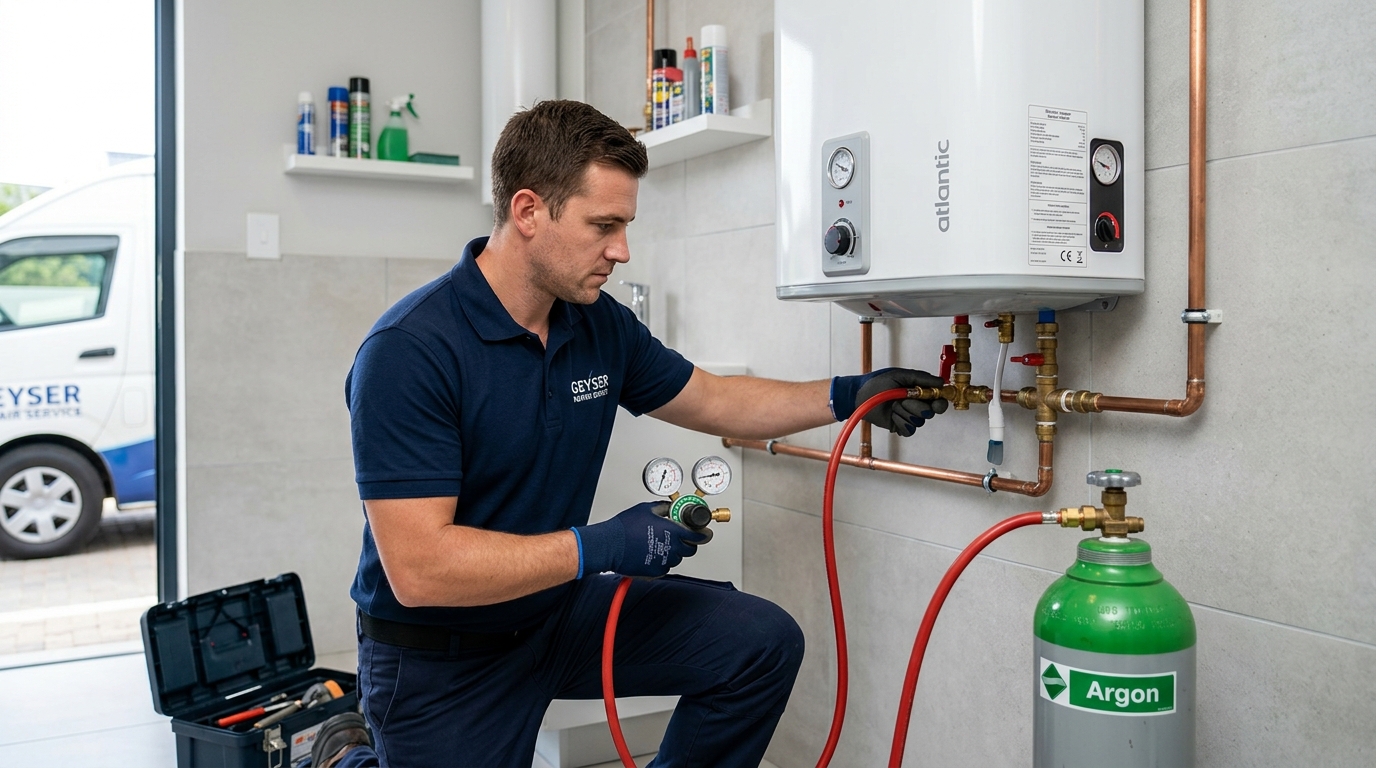
When your gas geyser isn't heating water like it should, you might wonder about “geyser gas filling.” It's helpful to clarify upfront: gas geysers don't have an internal tank that gets 'filled' with gas like a car's fuel tank. Instead, this term usually refers to the service of ensuring your geyser's gas supply is correctly connected, free of air blockages, and that all gas-related components are working perfectly. For a typical inspection, checking gas lines, and minor adjustments to ensure proper gas flow in Vadodara, you can expect to pay anywhere from ₹300 to ₹800. If you're facing issues with your geyser and need a pro, finding a reliable geyser mechanic near me is your best bet to get things running smoothly again.
Unpacking "Geyser Gas Filling" and Understanding Service Costs
What "Geyser Gas Filling" Really Means
Since gas geysers don't store gas internally, what does a technician do when you ask for "gas filling"? They're typically addressing problems related to your geyser's gas supply or burner system. This could involve checking the main gas line connection, purging air from the gas pipes to ensure a consistent flow, inspecting the burner for blockages, or making sure the ignition system is firing correctly. Essentially, it's about diagnosing and fixing any issues that prevent gas from reaching and burning efficiently in your geyser. A properly functioning gas supply is not only crucial for hot water but also vital for safety, preventing incomplete combustion or potential gas leaks.
Many customers use this term because they perceive a lack of heat as a lack of "gas" in the geyser. A professional technician understands this and will investigate all gas-related aspects to restore your hot water.
Typical Costs for Gas Geyser Service in Vadodara
As mentioned, a basic service involving checking gas lines and connections in Vadodara usually falls between ₹300 and ₹800. However, this price can fluctuate based on a few key factors, and understanding these can help manage expectations:
- Nature of the Problem: A simple check and purge of air from the gas line, which might resolve minor ignition hiccups, will be less expensive than diagnosing a complex issue like a faulty gas valve, a compromised solenoid, or a heavily clogged burner. Complex diagnoses require more time and specialized tools, naturally increasing the service charge.
- Parts Replacement: If any components like the igniter, solenoid valve, thermocouple, or thermostat need replacing, these will add significantly to the overall cost. Technicians usually quote parts separately, and it's always advisable to ensure genuine or high-quality replacement parts are used for optimal performance and safety.
- Geyser Type and Brand: Some advanced or imported geyser models might require specialized knowledge, unique diagnostic procedures, or specific, harder-to-source parts, which can slightly increase service charges due to the expertise and effort involved. Standard Indian brands are generally easier and less costly to service.
- Urgency: Emergency call-outs, especially outside regular working hours or on holidays, might have a premium compared to scheduled appointments. Planning preventative maintenance can help avoid these higher urgent service costs.
- Service Provider: Different companies and independent technicians have varying pricing structures, reflecting their overheads, experience, and service guarantees. It's always a good idea to get a quote upfront and compare options, but prioritize quality and safety over just the lowest price.
Remember to ask for a detailed breakdown of costs before any work begins, especially if parts are involved. Transparency helps you understand what you're paying for and avoids surprises.
How Long Does This Service Usually Take?
For a standard "gas filling" service – meaning an inspection of gas lines, connections, and burner, along with basic cleaning – a skilled technician can often complete the job in about 30 to 60 minutes. This timeframe assumes no major repairs or part replacements are needed. During this time, they'll typically check for gas leaks using a detector, clean the burner area of dust and debris, ensure proper ignition, and verify consistent gas flow.
If the issue is more complex, such as diagnosing a persistent ignition problem, replacing a faulty gas valve, thoroughly cleaning a heavily clogged burner, or dealing with airlocks in the gas line, the service might extend to 1 to 2 hours. In rare cases, if specialized parts need to be sourced or if the problem requires extensive troubleshooting, the service might even necessitate a follow-up visit. Your technician should be able to give you an estimated time once they've assessed the situation and identified the root cause of the problem.
Diagnosing and Resolving Gas Geyser Operational Issues
Warning Signs Your Geyser Needs Gas-Related Service
Your gas geyser usually gives clear signals when something isn't right with its gas supply or combustion. Don't ignore these signs; they can indicate efficiency problems or, worse, safety hazards, including the potential for carbon monoxide buildup:
- No Hot Water: The most obvious sign. If your geyser is on but only produces cold water, it's a strong indication that the gas isn't reaching or igniting properly. This could be due to a blocked gas line, a faulty igniter, or an issue with the gas control valve.
- Pilot Light Issues: If your geyser's pilot light won't stay lit, or struggles to ignite and then extinguishes, it's a strong indicator of a gas flow problem, a dirty pilot tube, or a faulty thermocouple. A thermocouple is a safety device that senses the pilot flame, and if it's not working, the gas supply to the pilot will be cut off.
- Weak or Yellow Flame: A healthy gas geyser flame should be strong, steady, and predominantly blue. A weak, flickering, or yellow/orange flame suggests incomplete combustion, possibly due to a dirty burner, insufficient gas supply, or inadequate ventilation. Incomplete combustion is particularly dangerous as it can produce carbon monoxide.
- Foul Smell (Gas Odor): This is a critical warning sign and indicates a potential gas leak. If you smell gas, immediately turn off the main gas supply to your home, open windows and doors for ventilation, evacuate the premises if the smell is strong, and call a professional emergency service or your gas provider. Do NOT try to find the leak yourself or operate any electrical switches.
- Unusual Noises: Hissing, popping, or whistling sounds during operation can point to issues with gas pressure, burner problems (like dirty orifices), or loose components. While not always directly gas-related, these sounds warrant investigation as they can precede more serious failures.
- Frequent Cycling On/Off: If your geyser turns on and off too frequently without reaching the desired temperature or maintaining it, it could be struggling to maintain a consistent flame or experiencing issues with its thermostat or safety cut-off mechanisms related to gas supply.
If you notice any of these symptoms, especially a gas smell, it's crucial to call a qualified geyser mechanic promptly to ensure both the geyser's functionality and your household's safety.
What to Check Before Calling a Technician
Before you pick up the phone, a few quick, safe checks can sometimes solve the problem or help you describe it better to the technician. These simple steps don't involve tampering with the geyser's internal components or gas lines, but always proceed with caution:
- Is the Main Gas Supply On? For piped natural gas (PNG), ensure the main valve to your house and the specific valve for the geyser are fully open. For LPG, check if the cylinder is full (shake it gently or pour water on the side to see the condensation line) and properly connected, and that its regulator valve is open. A simple empty cylinder or closed valve is a surprisingly common cause of "no hot water" calls.
- Pilot Light Status: If your geyser has a pilot light, check if it's lit. If not, try relighting it according to your geyser's manual instructions. Sometimes a strong draft or minor vibration might extinguish it. If it doesn't stay lit, however, a deeper issue might be present.
- Power Supply: Many gas geysers have an electronic ignition system, a digital display, or a fan that requires electricity to operate. Ensure the geyser is plugged in, the power switch is on, and check your circuit breaker or fuse box if there's no power reaching the unit. A simple tripped breaker can prevent ignition.
- Water Supply: Confirm that the water inlet valve to the geyser is fully open and that there's adequate water pressure in your home. A lack of sufficient water flow can sometimes prevent gas geysers from igniting as a safety measure, as they won't operate without water in the system.
- Ventilation: Ensure the area around the geyser is well-ventilated and that nothing is blocking the exhaust flue or air intake vents. Proper ventilation is crucial for efficient combustion and to prevent the buildup of harmful gases.
If these basic, non-invasive checks don't resolve the issue, or if you suspect any gas-related problems, it's definitely time to call in the experts. Never attempt to repair gas lines or internal gas components yourself.
What's Included in a Standard Gas Geyser Service?
When a professional comes out for a gas-related geyser service, here's what you can typically expect them to do, ensuring your appliance operates safely and efficiently:
- Safety Inspection: They begin with a visual check for any obvious gas leaks or hazards around your geyser and its connections, prioritizing the safety of your home and occupants above all else.
- Gas Line and Connection Check: They'll thoroughly inspect all gas pipes leading to the geyser, looking for kinks, damage, corrosion, or loose fittings. This includes checking the flexible hose if you use an LPG cylinder, as these can wear out over time.
- Leak Detection: Using specialized electronic leak detectors, they'll meticulously check for any gas leaks at connections, valves, and within the geyser itself. This is a crucial step for preventing dangerous gas buildups.
- Burner Cleaning and Adjustment: Dust, soot, and debris can accumulate on the burner over time, affecting combustion efficiency and flame quality. The technician will clean the burner assembly, clear any blockages in the orifices, and potentially clean the igniter electrodes to ensure a strong, blue flame.
- Ignition System Check: They'll test the pilot light or electronic igniter to ensure it's functioning correctly and reliably, igniting the main burner consistently and without delay.
- Gas Pressure Verification: They might check the gas pressure entering the geyser to ensure it's within the optimal range specified by the manufacturer. Incorrect gas pressure can lead to inefficient operation or safety issues, and minor adjustments may be made if necessary.
- Air Purging: If there was air in the gas lines (which can happen after a cylinder change, line maintenance, or extended periods of non-use), they will carefully purge it to ensure a smooth, uninterrupted gas flow to the burner, preventing ignition failures.
- Operational Test: After all checks, cleaning, and adjustments, they'll run the geyser to confirm it heats water efficiently, safely, and cycles as expected, verifying the successful resolution of the issue.
It's important to remember that significant parts replacement, like a new main control valve, heat exchanger, or major plumbing work, would typically be quoted as an additional cost beyond the basic service charge, reflecting the cost of components and extra labor.
Ensuring Safety and Maximizing Your Gas Geyser's Lifespan
Choosing the Right Geyser Mechanic in Vadodara
Safety is paramount when dealing with gas appliances. Picking the right professional in Vadodara for your geyser service isn't just about cost; it's about ensuring safe and reliable operation of your appliance. Here's what to look for when selecting a service provider:
- Certified and Experienced Technicians: Ensure the technicians are properly trained, hold relevant certifications for gas appliance servicing, and have extensive experience specifically with gas geysers. Experienced professionals are more likely to diagnose problems accurately and perform repairs safely.
- Local Reputation and Reviews: Check online reviews on platforms like Google, Justdial, or social media, and ask for recommendations from friends or neighbors in Vadodara. A company with a strong local standing and positive customer feedback is often a reliable choice.
- Transparent Pricing: A reputable service provider will offer clear and upfront pricing, detailing what's included in the service charge and any potential extra costs for parts or complex repairs. Avoid companies that are vague about their charges.
- Warranty on Service: Ask if they offer a warranty on their work and any installed parts. This shows confidence in their service quality and provides you with recourse if the problem recurs shortly after the repair.
- Brand Specialization: While most mechanics can handle common brands, if you have a less common, imported, or high-end geyser, confirm they have specific expertise or training with that particular brand's models and components.
- Safety First Approach: The chosen technician should always emphasize and follow strict safety protocols, such as using gas leak detectors, ensuring proper ventilation, and testing for carbon monoxide during and after the service.
Don't hesitate to ask questions before hiring anyone. A good technician will be happy to explain their process, answer your concerns, and provide clear information.
Maintenance Tips to Keep Your Gas Geyser Running Smoothly
Regular care and attention can significantly prevent many common gas geyser issues, improve its efficiency, and extend its lifespan. Here are some simple maintenance tips you can follow to keep your appliance in top condition:
- Schedule Annual Servicing: Even if your geyser seems to be functioning perfectly, a yearly professional check-up is invaluable. A technician can clean the burner, check safety systems, identify minor issues before they escalate into major, costly problems, and ensure optimal fuel efficiency.
- Keep the Area Clear: Ensure nothing is blocking the air vents or the exhaust flue of your geyser. Good airflow is absolutely essential for safe and efficient combustion. Blockages can lead to incomplete combustion and the production of harmful gases.
- Visual Checks: Periodically glance at your gas connections and the flexible pipe leading to the geyser. If you notice any rust, corrosion, cracks, or signs of wear on flexible pipes, call a technician for an immediate inspection and replacement if necessary. Never try to repair these yourself.
- Proper Ventilation: Always ensure the room where your gas geyser is installed has adequate and unobstructed ventilation. This is critical for preventing the dangerous build-up of harmful gases like carbon monoxide, especially in enclosed spaces. Consider installing a carbon monoxide detector for added safety.
- Monitor Flame Color: If you can safely observe the flame through an inspection window, ensure it's a strong, steady blue. A yellow or orange flame indicates incomplete combustion, reduced efficiency, and potentially unsafe operation, requiring prompt professional attention.
Following these proactive tips can help keep your geyser efficient and safe, reducing the chances of needing emergency "gas filling" services and ensuring a consistent supply of hot water.
Is DIY Gas Geyser Service Safe?
Absolutely not. Attempting to perform any gas-related service or repair on your geyser yourself is extremely dangerous and could lead to severe consequences, risking your property and your life. Gas appliances involve inherent risks of:
- Gas Leaks: Improper connections, incorrect tightening, or mishandling of gas lines and valves can cause dangerous gas leaks, leading to potential fire or explosion hazards in your home. These leaks can be odorless, making them hard to detect without specialized equipment.
- Carbon Monoxide Poisoning: Incorrect installation, improper combustion adjustments, or blocked flues can produce carbon monoxide (CO), an odorless, colorless, and deadly gas. CO poisoning can cause serious health issues or even be fatal.
- Property Damage: Incorrect repairs or maintenance can lead to irreversible damage to your geyser, gas lines, or even your home's infrastructure, resulting in costly repairs that far exceed professional service fees.
- Voiding Warranty: Most manufacturers' warranties become void if unauthorized persons attempt repairs or modifications to the appliance, leaving you without coverage for future issues.
Always, always rely on certified, licensed, and experienced professionals for any gas geyser service or repair. Their specialized training, calibrated tools, and deep understanding of safety protocols are indispensable for safe and effective work.
Why Professional Geyser Service Matters
For gas geysers, the expertise of a professional is invaluable. Here's why calling in a specialist for any gas-related issue is always the smart choice for your Vadodara home:
- Safety Assurance: Trained and certified technicians understand complex gas systems, safety protocols, and regulations, meticulously performing checks and repairs to minimize risks of leaks, fires, or dangerous carbon monoxide exposure. This ensures your household's well-being.
- Accurate Diagnosis: Professionals have the knowledge and specialized diagnostic tools to quickly pinpoint the root cause of the problem, saving you time, frustration, and money compared to amateur, trial-and-error approaches.
- Correct Parts and Tools: Experts use the right, often genuine, spare parts and specialized tools designed for specific geyser models, ensuring the repair is done correctly, adheres to manufacturer specifications, and lasts longer.
- Optimized Performance: Regular servicing by an expert keeps your geyser running at peak efficiency. This can translate to lower energy bills due to complete combustion and consistent hot water delivery without unexpected fluctuations.
- Extending Appliance Lifespan: Proper maintenance and timely, correct repairs help prevent premature wear and tear on components, significantly extending the operational life of your expensive appliance, offering better long-term value.
- Compliance with Regulations: Professional services adhere to local safety standards and national regulations for gas appliance servicing, giving you confidence in the integrity and legality of your geyser installation and repairs.
Don't compromise on the safety or efficiency of your geyser. When issues arise, especially those related to gas, always trust a reputable local service provider. They'll ensure your geyser is safe, efficient, and ready to provide you with reliable hot water throughout the year in Vadodara, offering long-term reliability.


Comments
Post a Comment